Quick take: Cherrapunji (Sohra), once the wettest place on Earth, is famous for its dramatic waterfalls, misty cliffs, and proximity to living root bridges. This destination offers spectacular natural beauty and unique experiences.
Why this matters
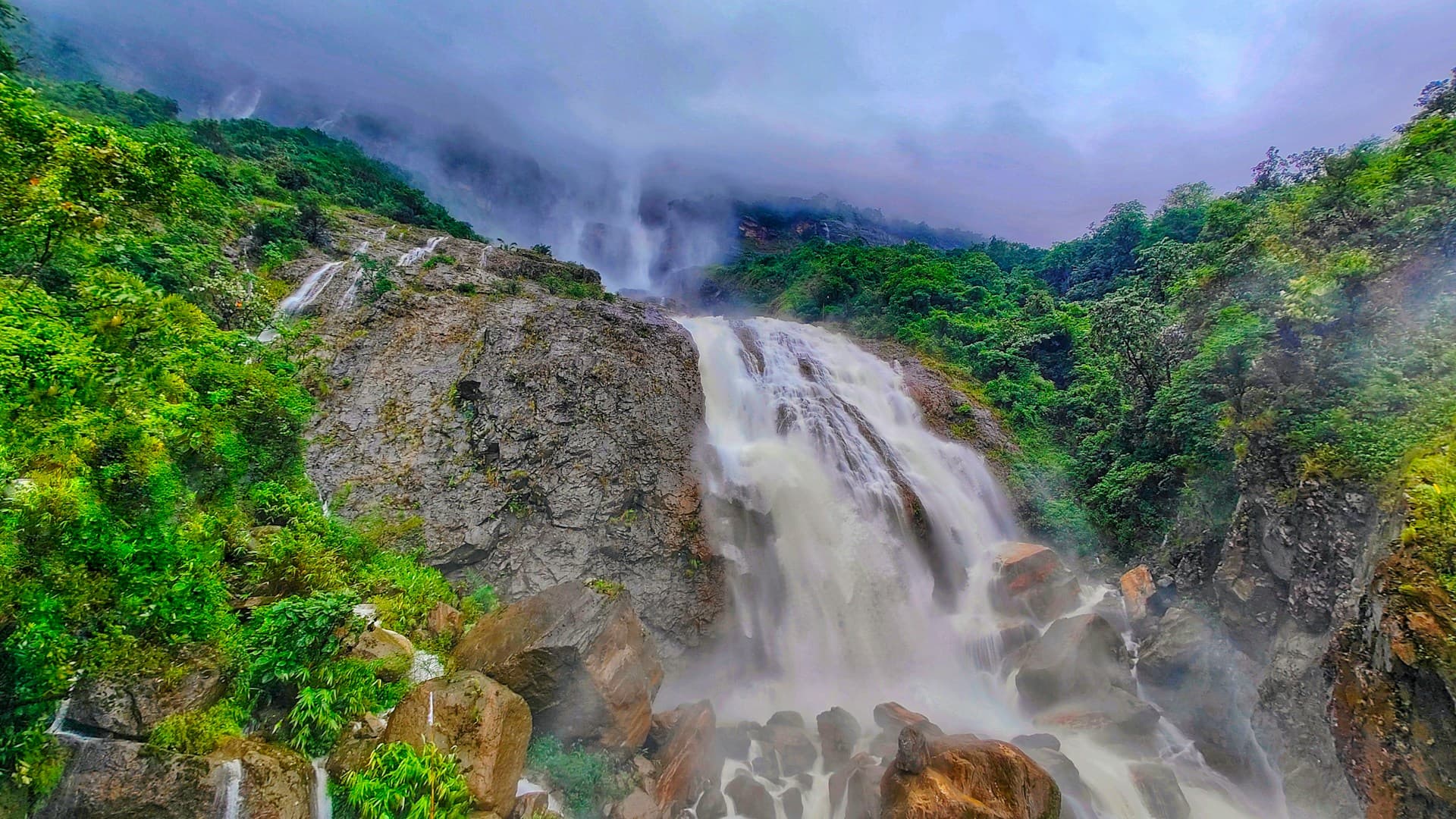
Cherrapunji holds the record for receiving over 11,000mm of annual rainfall, creating a landscape of cascading waterfalls and lush greenery. The Seven Sisters Falls, a magnificent seven-tiered waterfall, and Nohkalikai Falls, India's tallest plunge waterfall, are just two of the many natural wonders here. The area's dramatic limestone cliffs, caves, and proximity to living root bridges make it a must-visit destination. Located 54km from Shillong (2 hours by car), Cherrapunji offers a perfect day trip or extended stay for nature lovers and adventure seekers.
Best time to go
- March to May: Best time with clear views of waterfalls, pleasant weather, good for trekking
- September to November: Post-monsoon freshness, waterfalls still flowing strong, excellent for photography
- June to August: Monsoon peak - waterfalls at their mightiest but very misty, limited visibility
- December to February: Cold and misty, fewer tourists, some areas may have limited access
Suggested itinerary (sample)
Option A: 1–2 days
- Day 1: Drive from Shillong, visit Seven Sisters Falls, Nohkalikai Falls, explore limestone caves, return to Shillong or stay overnight
- Day 2: Visit living root bridges (if staying), explore more waterfalls, cave exploration
Option B: 2–3 days
- Day 1: Arrive in Cherrapunji, visit major waterfalls, cave exploration
- Day 2: Living root bridge trek (Nongriat or nearby), explore more natural attractions
- Day 3: Additional waterfalls, viewpoints, return to Shillong
Budget & car recommendation
- Best for 1–3 people: 5-seater sedan ✅
- Best for 4–6 people / more luggage: 7-seater ✅
FAQs
Q: Why is Cherrapunji so wet?
A: Cherrapunji's location on the windward side of the Khasi Hills causes it to receive heavy monsoon rains from the Bay of Bengal, making it one of the wettest places on Earth.
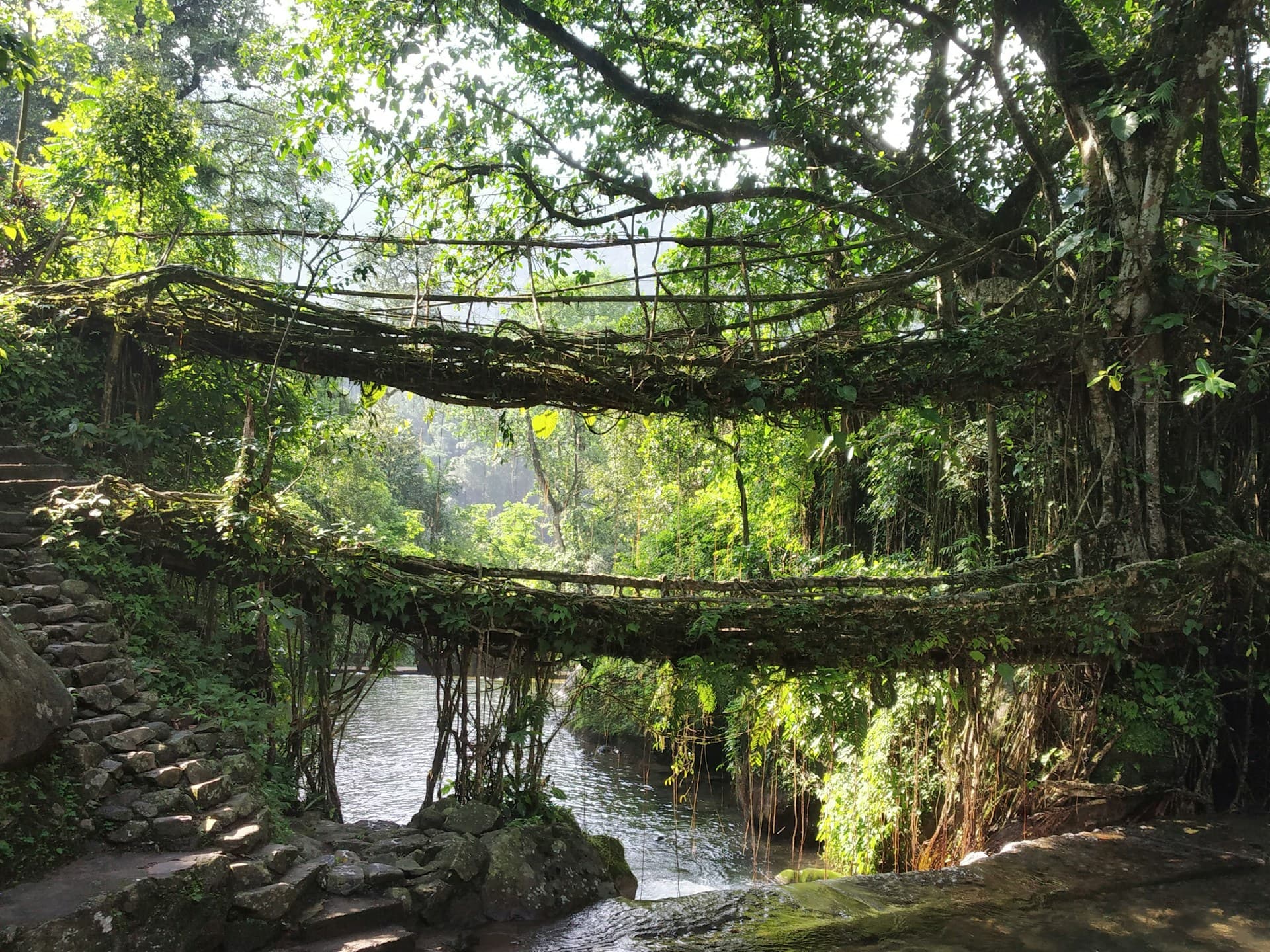
Q: Can I visit living root bridges from Cherrapunji?
A: Yes, the famous living root bridges are accessible from Cherrapunji. The Nongriat double-decker root bridge is a popular trek (3-4 hours round trip).
Q: What is the best time to see waterfalls?
A: Monsoon (June-August) shows waterfalls at their fullest, but spring (March-May) offers better weather and clearer views.
Q: Is it safe to visit during monsoon?
A: While accessible, monsoon brings heavy rains and misty conditions. Some treks may be challenging. Spring and autumn are safer for outdoor activities.
Contact / Book
Want a custom plan? Use the Estimate button or WhatsApp us.