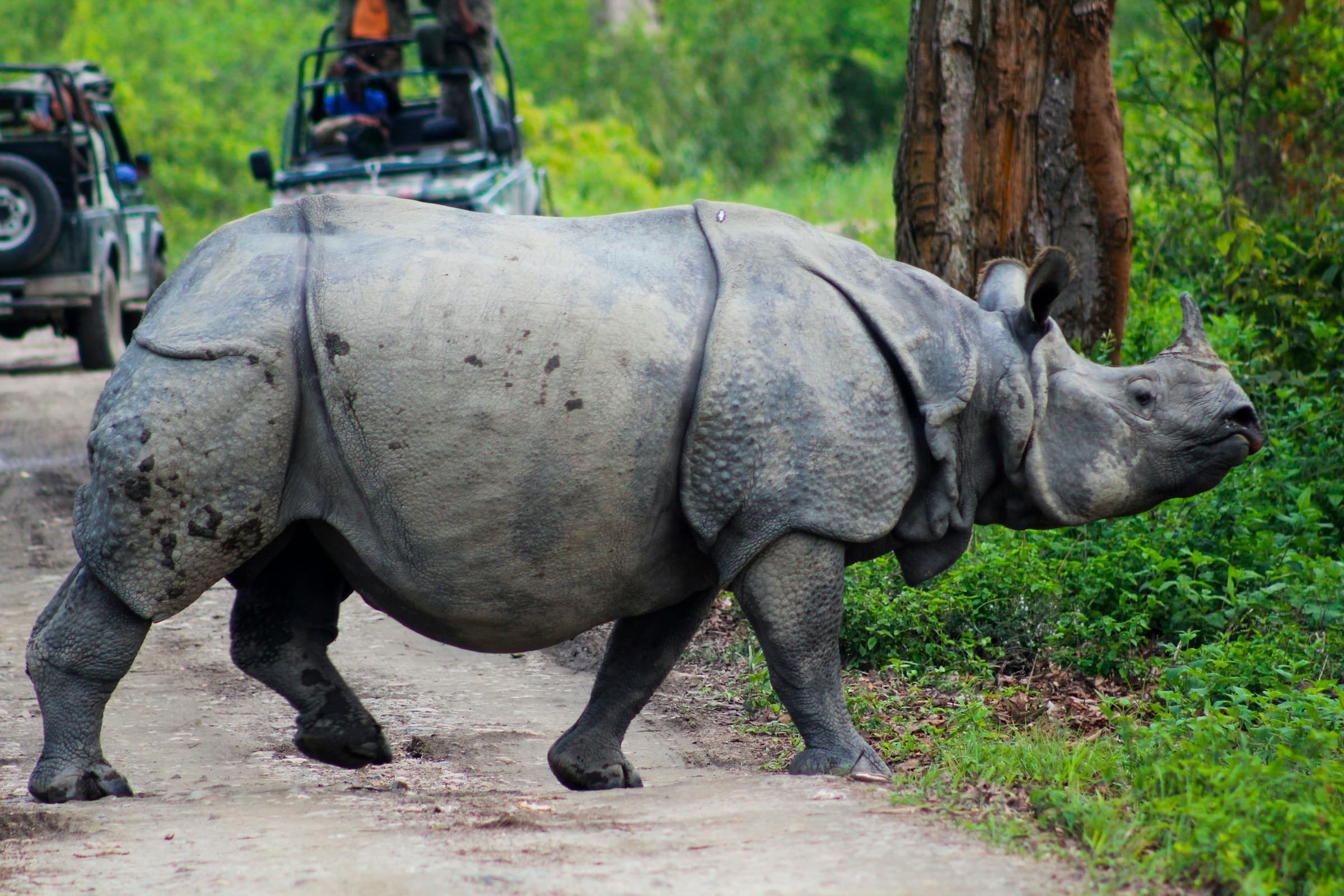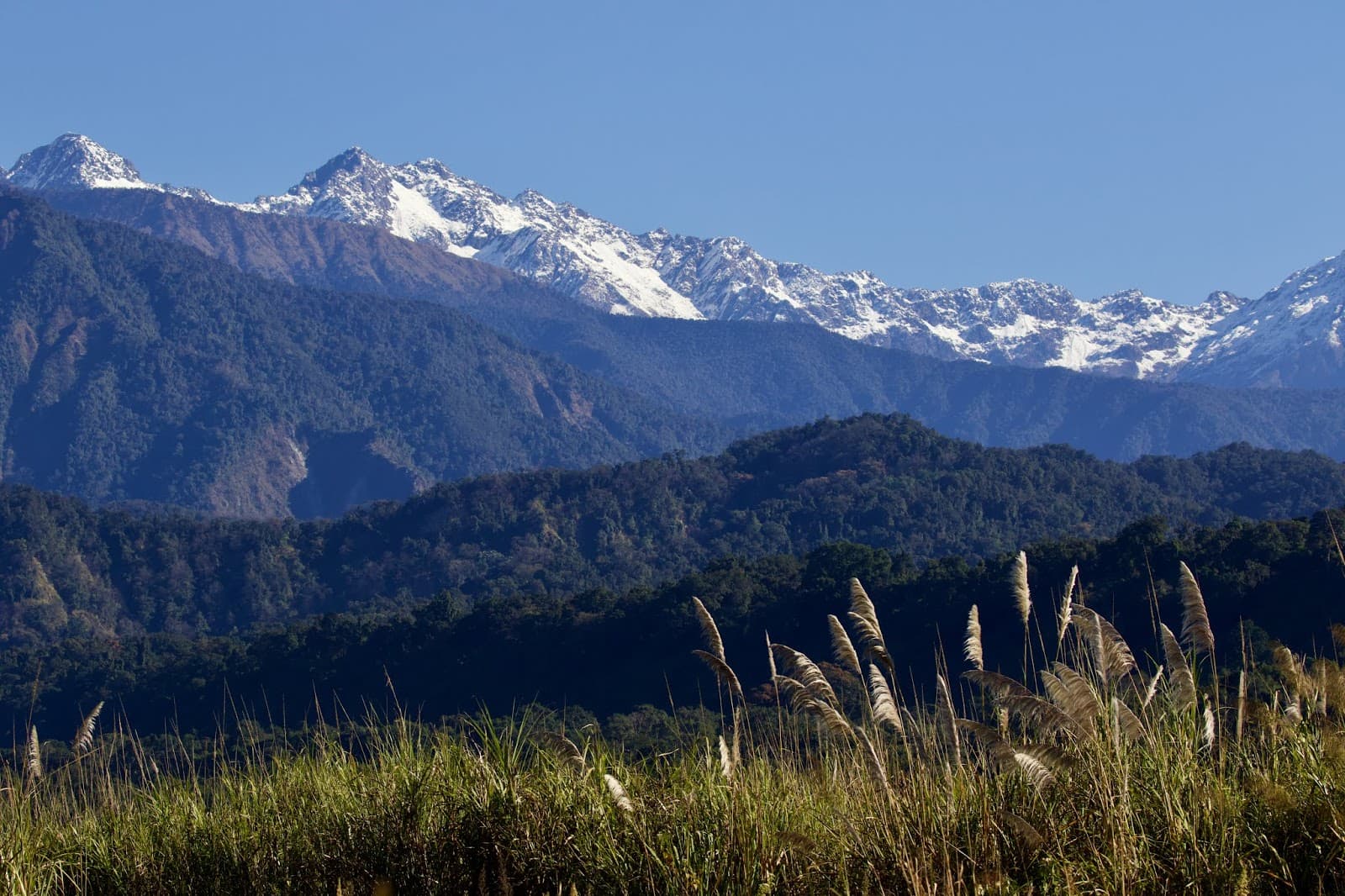
Quick take: Namdapha National Park spans huge altitudinal range—from steamy river forest to high ridges—making it one of India's richest (and wildest) protected areas. Spring offers more comfortable trekking conditions than monsoon, with moderate temperatures and relatively fewer leeches than peak wet months—ideal if you want serious nature beyond the usual Tawang circuit.
Why this matters
Namdapha is not a “jeep-only afternoon safari” park for everyone: many experiences are trek- and guide-dependent, centred around access points such as Deban (inside the reserve approach) and the town of Miao for logistics. Species diversity is the story—big cats, smaller cats, hoolock gibbons, red pandas, and a huge bird list—but sightings require patience and luck. Travelers comfortable with Arunachal Inner Line Permit (ILP) rules, buffer days for weather, and basic forest lodging will get the most from it. Pairing Namdapha with Dibrugarh or Tinsukia (Assam) as a gateway often saves time versus a single marathon drive from Guwahati.
Best time to go
- March–April (spring): Often recommended for trekking into the forest interior—warmer days, less relentless rain than monsoon, reduced leech hassle versus peak wet season (still carry leech socks where advised).
- November–February: Cool, dry, good for shorter walks and birding; high areas can be cold.
- May–September: Heavy rain, difficult trails, leeches, and limited access to some routes—only for experienced teams with local operators.
Suggested itinerary (sample)
Option A: 5 days (Fly–drive gateway)
- Day 1: Arrive Dibrugarh (flight); drive to Miao/buffer area; rest.
- Day 2: Enter forest approach / Deban zone per permit and guide plan; orientation walk.
- Days 3–4: Guided trekking or day walks as per fitness and permissions; birding mornings.
- Day 5: Buffer day for weather, then exit to Dibrugarh or onward.
Option B: 7 days (Namdapha + Assam buffer)
- Days 1–2: Travel from Guwahati or Dibrugarh to Miao; paperwork and local briefing.
- Days 3–5: Core park days with licensed guides; no rigid “tiger show” expectations—this is forest immersion.
- Days 6–7: Recovery in Assam tea towns or fly out.
Option C: Short reconnaissance (not full trek)
- 2–3 days: Edge-of-park birding and short walks only—confirm with operators what is ethical and legal; do not pressure guides to break rules.
Budget & car recommendation
- Road access: Long drives from Guwahati; SUV or sturdy vehicle and experienced driver recommended for last stretches; many visitors split Dibrugarh/Tinsukia → Miao by hired 4x4 where needed.
- Group size: Smaller groups move easier on forest trails; 7-seater works for highway legs, not always inside protected routes.
FAQs
Q: Do I need ILP for Arunachal?
A: Yes. Obtain Inner Line Permit as per current government rules before travel; routes and checkpoints change—use an updated checklist.
Q: Is Namdapha good for first-time wildlife tourists?
A: Only if you accept uncertain sightings and basic facilities. It is closer to a trekking reserve than a “guaranteed safari” park.
Q: Can I visit Namdapha in April with a sedan from Guwahati?
A: You may reach gateway towns by sedan on highways, but last-mile forest roads often need higher clearance—confirm with local drivers for the season.
Q: What should I pack?
A: Quick-dry clothing, rain shell, leech protection (seasonal), torch, spare batteries, modest cash, and any medicines—shops are limited deep inside.
Contact / Book
Namdapha needs permits, guides, and realistic timelines. Use the Estimate for your broader Arunachal car route, or WhatsApp us for a custom forest–gateway plan.